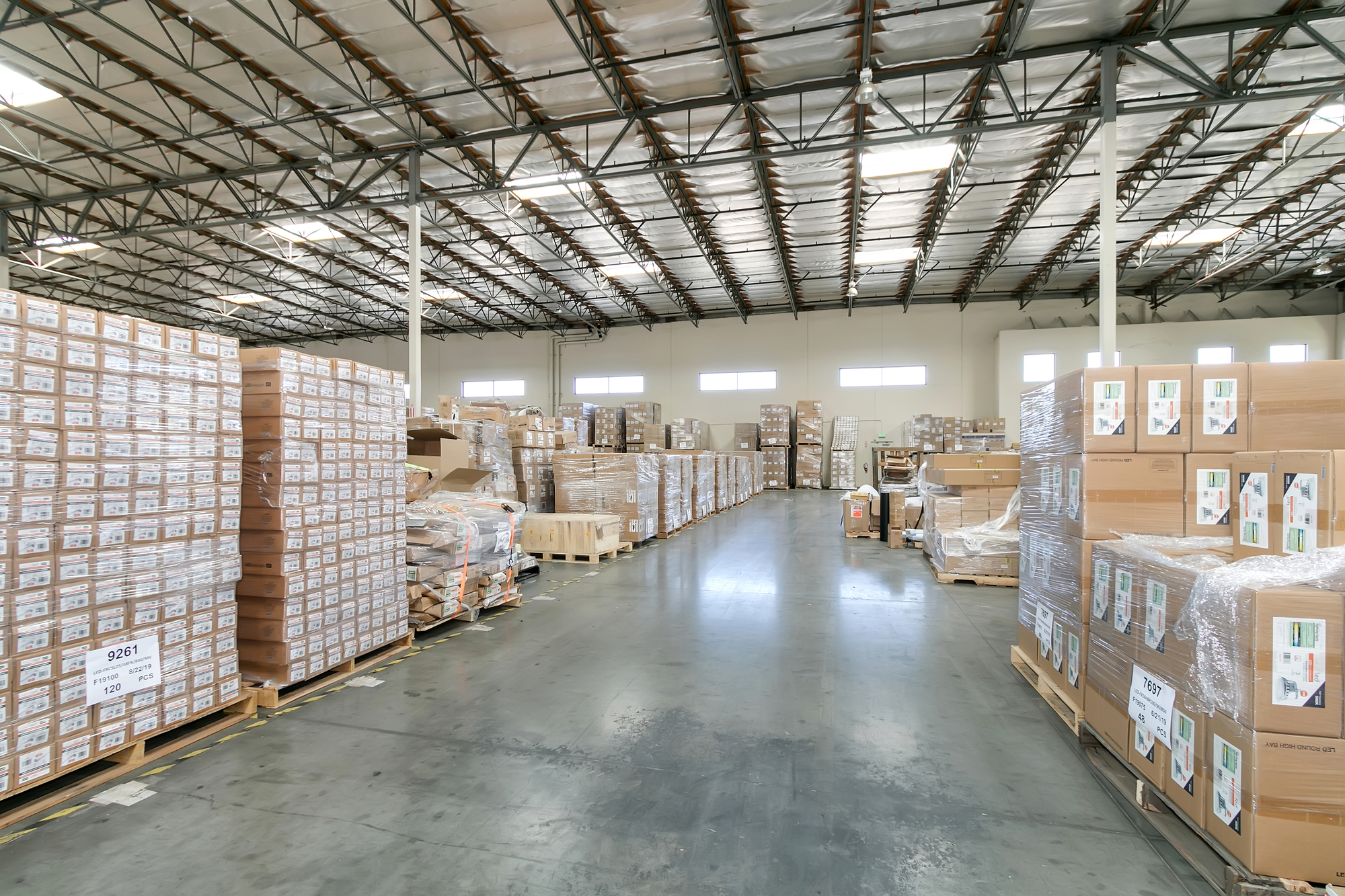
A search for a certain number of square feet can produce buildings with very different operating value. Before touring industrial space across the Inland Empire, translate your inventory, equipment, and truck activity into a written requirement. The goal is to describe the work the building must support and the details your specialists will need to verify.
Describe the storage plan before choosing a height
List the goods you will store, their packaging, expected quantities, and the handling equipment you intend to use. Ask your rack designer or operations specialist to develop a preliminary layout that accounts for storage, aisles, staging, and other functions. This gives the search a practical basis beyond a headline area figure.
For every candidate, ask where clear height is measured and note obstructions that could affect the layout. Keep the required usable clearance separate from the advertised building specification. Have the design and fire-review team confirm the proposed storage arrangement with the relevant authority; a high roof alone does not confirm suitability.
Match loading to the busiest part of the day
Document vehicle types, arrival patterns, loading methods, and the space needed to stage inbound and outbound goods. A count of dock doors is only one input. Door placement, yard circulation, shared access, and the relationship between staging and storage may be equally important to your workflow.
Ask which loading positions and exterior areas are dedicated to your premises, and have those arrangements reflected in the documents your advisers review. Include a safety review of the proposed operation. Cal/OSHA's loading-dock rules address controls to prevent trailers and other vehicles from pulling away before loading or unloading is finished.
- Peak simultaneous arrivals and the vehicles that need access.
- Dock versus grade-level movements and equipment compatibility.
- Interior staging and the route from receiving to storage.
- Trailer parking, yard use, gate access, and any shared areas.
Give the electrical reviewer an equipment list
Record the machinery, refrigeration, charging, HVAC, and other loads your operation expects to use. Include equipment nameplates or manufacturer information where available, operating patterns, and planned expansion. Have a qualified electrical professional determine the service characteristics and capacity your plan requires.
Request documents for the actual building and ask the serving utility what additional verification is needed. SCE's power-request guidance describes supporting documentation such as equipment load requirements and electrical drawings. A listed panel size is a reason to investigate the system, not a complete confirmation that new loads can be served on your schedule.
Keep the brief short, with a technical appendix
Put the search essentials on one page: target cities, area range, intended use, storage needs, loading pattern, power questions, office functions, and operating date. Add technical schedules separately so brokers can screen space while specialists retain the details needed for review.
Mark each requirement as essential, preferred, or still to be verified. When an otherwise promising building misses a requirement, ask whether a documented and approved improvement could solve it. Compare the scope, cost responsibility, and schedule before treating that change as part of the building's existing capability.
TAKE THIS INTO YOUR NEXT CONVERSATION
The takeaway.
Build the requirement from your operation, then verify each finalist with the people responsible for design, safety, approvals, and utilities.